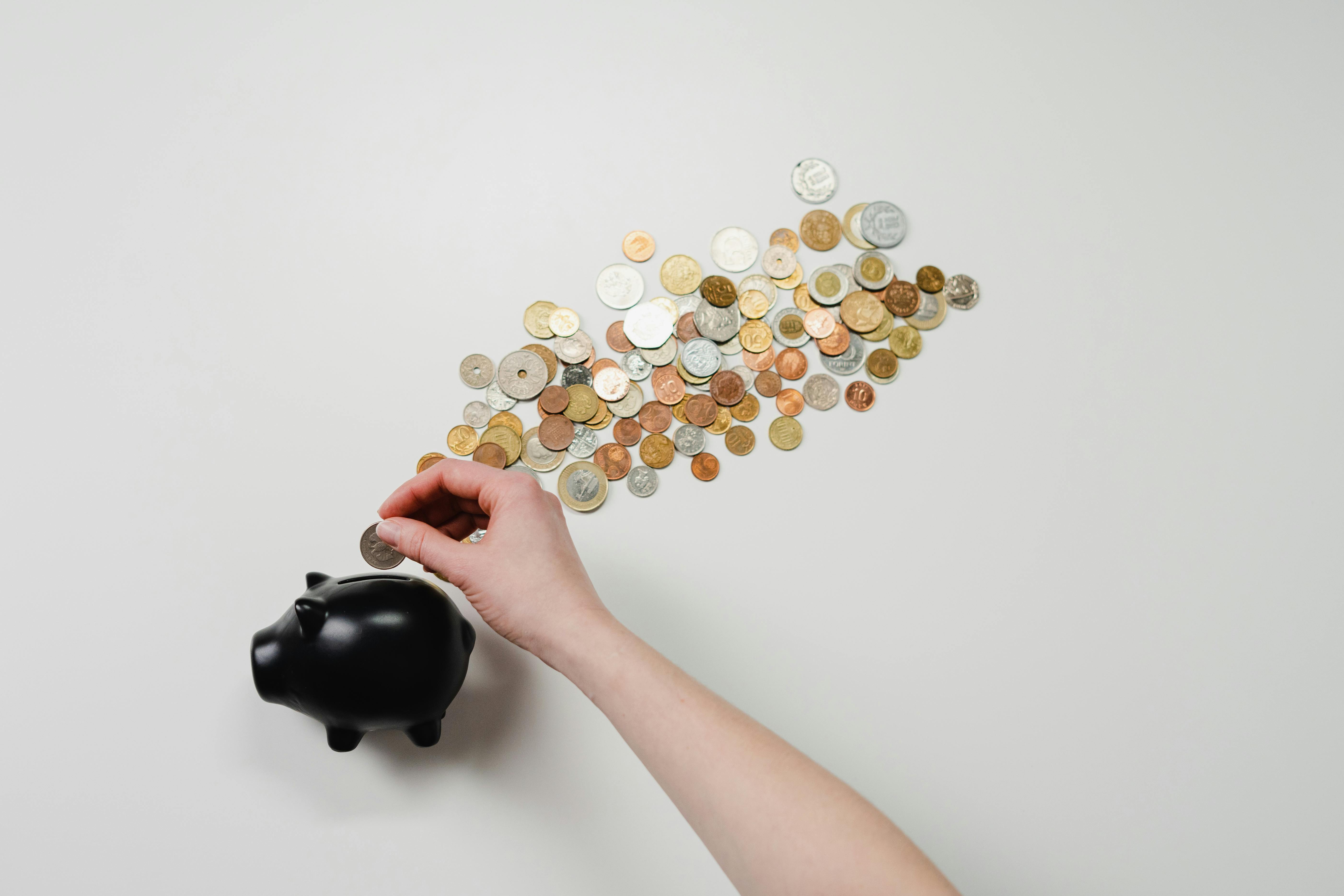
Step 1: The Brutal Truth - Confronting Your Food Delivery Spending
You can’t fix a problem you don’t fully understand. The first, and honestly most painful, step is to figure out exactly how much you’re spending. It's time to rip off the Band-Aid.How to Calculate Your Real Takeout Cost
1. Open your banking app or log in to your online banking. 2. Search your transactions for the last full month for terms like "Uber," "Menulog," "DoorDash," and "Deliveroo." 3. Don't forget to look for direct orders from places like Domino's or your local pizza joint. 4. Add it all up. Every. Single. Dollar. Include the delivery fees, service fees, and tips. 5. Now, sit with that number for a second. Is it what you expected? Is it more? When I did this, my $400 figure stared back at me. That was about ten orders a month, averaging $40 an order. Seeing it as a lump sum, rather than a series of small, "it's only $40" purchases, changed everything. This isn't about guilt; it's about awareness. This number is your "why." It's your motivation to make a change. The debate of cooking vs takeout becomes a lot clearer when you see the financial reality in black and white.Why Are We So Hooked on Uber Eats Anyway?
It's not just laziness. Understanding your triggers is key to breaking the habit. For most of us, it’s a combination of:- Decision Fatigue: After a long day, choosing a recipe and ingredients feels like too much mental energy.
- The "I Deserve It" Mentality: Treating yourself after a tough day is valid, but it becomes a costly habit.
- Convenience Culture: We're programmed to want everything instantly, and food delivery is the ultimate instant gratification.
- Lack of Planning: You open the fridge, see a sad-looking capsicum and some old cheese, and immediately reach for your phone.
Step 2: The 'Fakeaway' Revolution - How to Beat Uber Eats at its Own Game
Here’s the secret: most of your favourite takeaway meals are surprisingly easy, quick, and cheap to make at home. We call them "fakeaways." The goal here isn't to become a gourmet chef overnight. It's to make a meal that's 80% as good as your favourite takeaway, in less time than it takes for the delivery driver to get to you, for about 20% of the price. A classic beef burger with the lot from a trendy burger joint on Uber Eats can set you back $25-$30 with delivery. You can make four incredible burgers at home for that price.Your First Fakeaway Mission: The 20-Minute San Choy Bow
This is a weeknight winner. It’s faster than delivery, packed with flavour, and feels way fancier than it is. You'll Need:- 500g pork or chicken mince
- 1 iceberg lettuce
- 1 brown onion, finely chopped
- 2 cloves garlic, minced
- 1 long red chilli, finely sliced (optional)
- 1 carrot, grated
- 100g water chestnuts, drained and chopped
- 2 spring onions, sliced
- For the sauce: 2 tbsp soy sauce, 1 tbsp oyster sauce, 1 tsp sesame oil, 1 tsp CSR brown sugar
- Carefully separate the lettuce leaves to form cups. Wash and set aside.
- Heat a splash of oil in a wok or large frying pan over high heat. Add the mince and cook, breaking it up with a spoon, until browned.
- Add the onion and garlic and cook for another 2 minutes until softened.
- Whisk all the sauce ingredients together in a small bowl.
- Add the carrot, water chestnuts, and sauce to the pan. Stir-fry for 2-3 minutes until everything is heated through and the sauce has thickened slightly.
- Stir through the spring onions. Serve the mince mixture in the lettuce cups. Done!
Get your wok or pan screaming hot before you add the mince. This gives it a great colour and flavour (the Maillard reaction, for you food nerds) instead of just stewing it.
Once you nail a simple fakeaway, your confidence skyrockets. You start to think, "What else can I make?" The answer is: almost anything. Burrito bowls, simple pasta dishes, and even pizza on store-bought bases are all fantastic ways to save money on food delivery.
Step 3: Build a Strategic Pantry - Your Defence Against Delivery
The number one reason people give in to ordering takeaway is an empty or uninspiring kitchen. A well-stocked pantry, fridge, and freezer is your secret weapon. It’s not about having a million ingredients; it’s about having the *right* ingredients to whip up something delicious at a moment's notice."An empty fridge is the devil's playground... and the devil's ordering a large pepperoni pizza with extra cheese."Think of this as your anti-Uber Eats toolkit. When you have these basics on hand, you’re always just 15-20 minutes away from a decent meal.
The Holy Trinity: Pantry, Fridge, Freezer
The Pantry Powerhouse:
- Carbs: Pasta, rice (basmati or jasmine), noodles (ramen, soba, or rice vermicelli), tortillas.
- Canned Goods: Diced tomatoes, coconut milk, chickpeas, black beans, lentils. An absolute lifesaver.
- Flavour Bases: Onions, garlic, stock cubes (chicken/veg), soy sauce, oyster sauce.
- Oils & Vinegars: Olive oil for cooking, a nice extra virgin olive oil for dressing, and a simple white wine or rice wine vinegar.
- Spices & Herbs: Don't go crazy. Start with the essentials: salt, black pepper, dried oregano, cumin, paprika, and a good curry powder like Keen's. Masterfoods makes great all-in-one shakers too.
Buying a dozen exotic spices for one recipe. You'll use them once, and they'll die a slow, flavourless death in the back of your cupboard. Start with versatile basics and build from there.
The Fridge Fundamentals:
- Long-Life Veggies: Carrots, capsicum, celery, and onions can last for weeks.
- Dairy/Alternatives: Eggs, cheese (a block of cheddar is super versatile), Greek yoghurt.
- Condiments: Mustard (Dijon is great), tomato sauce, sweet chilli sauce, and maybe even some Vegemite for a cheesy scroll emergency.
The Freezer Fortress:
- Protein: Portioned chicken breasts/thighs, mince, sausages, frozen prawns.
- Veggies: Frozen peas, corn, and spinach are cheap, nutritious, and sometimes even better than fresh.
- Bread: Always have a loaf of sliced bread or some wraps in the freezer.
- Your "Emergency Meal": A good quality frozen pizza or a pre-made meal you cooked yourself. This is your last line of defence before you open the app.
Step 4: Meal Planning That Doesn't Suck - The Ultimate Way to Stop Ordering Uber Eats
I know, "meal planning" sounds like something your super-organised mum does. It can feel restrictive and boring. But let's reframe it. Meal planning isn't a prison; it's your get-out-of-jail-free card. It eliminates the dreaded "what's for dinner?" question that so often leads to a food delivery binge. You don't need a spreadsheet (unless you're into that). Here are three flexible approaches:1. The "Theme Night" Strategy
This is the easiest way to start. You don't plan specific recipes, just a category for each night. It provides structure without being rigid.- Monday: Meat-free Monday (e.g., lentil bolognese, black bean tacos)
- Tuesday: Pasta Night
- Wednesday: Stir-fry Night
- Thursday: "Fakeaway" Night (burgers, pizza, curry)
- Friday: "Use-it-Up" Frittata or Fried Rice night
2. The "Component Prep" Method
This is for people who hate being told what to eat. Instead of prepping full meals, you prep ingredients. On Sunday, you might:- Cook a big batch of quinoa or rice.
- Roast a tray of veggies (capsicum, zucchini, sweet potato).
- Grill some chicken breasts or make some seasoned mince.
- Wash and chop lettuce and other salad ingredients.
3. The "Two-Plus-Two" Formula
This is my personal favourite for fighting the food delivery addiction.- Choose two main recipes to cook during the week (e.g., a big batch of chilli, a curry). Cook enough for four servings of each. That's four nights of dinner sorted (two nights of chilli, two nights of curry).
- Plan two easy meals for other nights (e.g., scrambled eggs on toast, a quick pasta).
- This leaves one night free for leftovers, a spontaneous meal out, or your emergency freezer pizza. It's realistic and builds in flexibility.
Always shop with a list based on your meal plan. You'll save money, reduce food waste, and avoid the aimless wandering around Coles that ends with a basket full of Tim Tams and zero dinner ingredients.