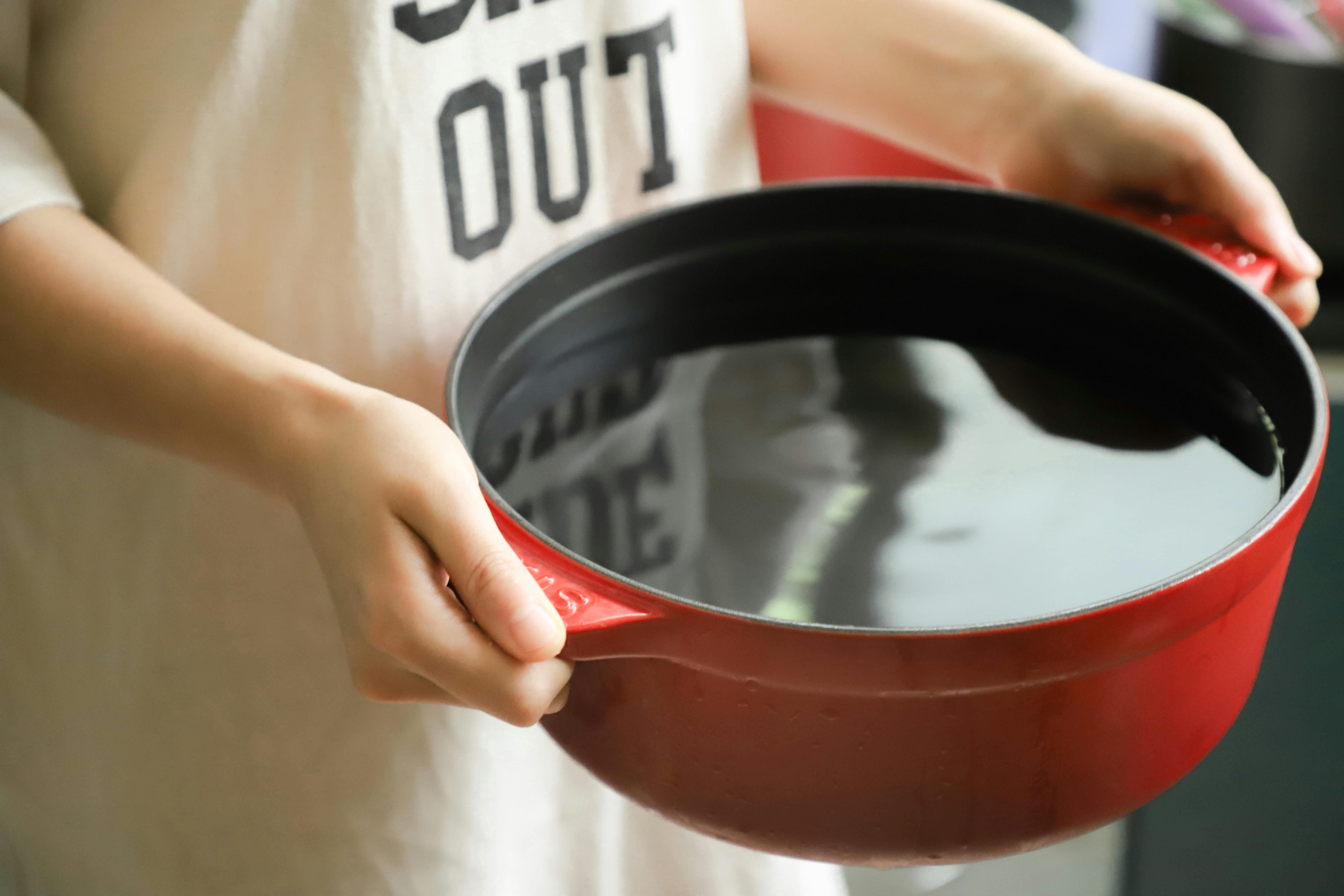
The Gear: What You Actually Need to Boil Water
Before you can become a water-boiling wizard, you need the right tools. The good news? You probably already have everything you need. No fancy gadgets required, just a few kitchen staples.The Vessel: Pot, Saucepan, or Kettle?
- Saucepan: Your everyday go-to for smaller jobs like boiling a few eggs, making a simple syrup, or cooking a small portion of rice. A 2-3 litre saucepan is a kitchen workhorse.
- Stockpot: This is the big kahuna. A large, deep pot (think 6-10 litres) is essential for cooking pasta. You need enough room for the pasta to move around and cook evenly without clumping. It’s also great for making big batches of soup or stock.
- Electric Kettle: An absolute must-have in any Aussie kitchen. It's the fastest and most energy-efficient way to get water to a boil. We'll talk more about how to use this as a shortcut later.
The Essentials: Water, Heat, and a Lid
- Water: Straight from the tap is perfectly fine. Always start with cold water. Hot water from your tap can sometimes carry more sediment from your hot water tank, which you don't want in your food.
- Heat Source: Whether you're rocking a fancy induction cooktop, a classic gas stove, or an electric coil, the principle is the same. You need a steady, strong heat source to get things bubbling.
- A Lid: This is your secret weapon for speed. Popping a lid on your pot traps heat and steam, which drastically reduces the time it takes for the water to boil. It's science, and it saves you time and energy.
The Science Bit (But Make It Fun): Understanding the Boiling Point
Okay, stick with us. Understanding what's actually happening in the pot gives you so much more control. The boiling point is the temperature at which a liquid turns into a gas. For water at sea level (which covers most of us in Australia), this happens at 100°C. At this point, the water is rapidly turning into steam, creating those big, rolling bubbles. But not all bubbles are created equal. Recognising the different stages of boiling water is a key skill.Simmer vs. Rolling Boil
These are the two main stages you need to know, and using the right one is crucial for different recipes.
| Stage | What it looks like | Best for |
|---|---|---|
| Simmer | Small, gentle bubbles breaking the surface occasionally. The water is moving, but not violently. Think of it as a gentle burble. | Soups, stews, poaching eggs or chicken, cooking rice (after the initial boil), reducing sauces. |
| Rolling Boil | Big, vigorous bubbles constantly breaking the entire surface of the water. You can't stir the bubbles away. | Cooking pasta, blanching vegetables, boiling potatoes, making sure something is sterilised. |
Your Step-by-Step Guide on How to Boil Water on the Stove
Ready for the main event? Here’s the foolproof method for how to boil water on your stovetop. It’s simple, but following these steps will give you consistent results every time.- Choose Your Pot: Pick a pot that’s the right size for the job. Give your food plenty of room to swim!
- Fill with Cold Water: Fill the pot with the desired amount of COLD water from the tap. Don't be tempted to use hot water to speed things up.
- Get on the Heat: Place the pot on the largest burner that fits its base. Turn the heat up to high.
- Lid On: Cover the pot with a tight-fitting lid. This is the single best thing you can do to make water boil faster.
- Wait and Watch: Listen for the sound of the water rumbling and look for steam escaping from under the lid. When you lift the lid, you should see those big, rolling bubbles we talked about. This is your cue that it's ready. How long to boil water will depend on the amount of water, the power of your stove, and whether you used a lid.
- Add Your Stuff: Once it's at a rolling boil, it's time to add your salt (more on that next!) and then your food, like pasta or vegetables.
The Great Salt Debate: When to Salt Water and Why It Matters
This is one of the most common questions in any kitchen, and the answer makes a huge difference to the flavour of your food. If you take one thing away from this guide, let it be this.Why Salt the Water?
For one simple reason: flavour. When you boil foods like pasta, potatoes, or vegetables, they absorb some of the water they're cooked in. If that water is seasoned, the food gets seasoned from the inside out. It's your one and only chance to get flavour right into the heart of the pasta itself.
As the Italian chefs say, the water should "taste like the sea."This doesn't mean it should be inedibly salty, but it needs to be seasoned assertively. This is a non-negotiable step for delicious boil water for pasta.
When to Salt Water?
The eternal question! The best practice is to add the salt once the water has reached a rolling boil, just before you add your food.
Here’s why:
- It's kinder to your pots: Adding salt to cold water and letting it sit can cause pitting and corrosion on the bottom of some stainless steel pots over time. Adding it to boiling water ensures it dissolves instantly, preventing this issue.
- The boiling point myth: You might have heard that salt makes water boil faster. It's actually the opposite. Saltwater has a slightly higher boiling point than fresh water, so it technically takes longer to boil. However, the effect is so minimal in a home kitchen that it's not worth worrying about. The main reason is to protect your cookware.
Putting It Into Practice: How to Boil Water for Common Foods
Now that you've got the theory down, let's apply it. The technique for how to boil water changes slightly depending on what you're cooking.Boil Water for Pasta
- Go Big: Use a large stockpot with plenty of water (at least 4 litres for a 500g packet of pasta). Pasta needs room to dance!
- Rolling Boil: Make sure the water is at a furious, rolling boil before you even think about adding the pasta.
- Salt Generously: Remember, taste the sea!
- Add Pasta & Stir: Drop the pasta in and give it a good stir for the first 30 seconds to prevent it from sticking together. Don't add oil—it just makes the pasta greasy and prevents the sauce from clinging to it.
- Cook to Al Dente: Follow the packet instructions, but start tasting a minute or two before the time is up.
Boiling Water for Rice (Absorption Method)
This is a different beast and a core kitchen fundamental. While some methods involve boiling rice like pasta, the absorption method gives you perfectly fluffy rice every time.
- Rinse Your Rice: Rinse your rice in a sieve under cold water until the water runs clear. This removes excess starch and stops it from being gluggy.
- The Ratio: The golden ratio is typically 1 cup of long-grain white rice to 1.5 cups of cold water.
- Boil then Simmer: Combine rice and water in a saucepan. Bring to a boil over high heat, then immediately turn the heat down to the lowest possible setting, cover with a tight lid, and let it simmer for about 12-15 minutes.
- Rest: Turn off the heat and let it stand, still covered, for 10 minutes before fluffing with a fork.
Boiling Water for Veggies (Blanching)
Blanching is a technique where you boil vegetables for a very short time and then plunge them into an ice bath. This locks in their bright colour, fresh flavour, and crisp texture. It’s perfect for green beans, broccoli, asparagus, and even for preparing tomatoes for peeling.
- Prepare a large bowl of ice water and set it aside.
- Bring a pot of salted water to a rolling boil.
- Drop your veggies in and cook for just 1-3 minutes, depending on the vegetable.
- Quickly remove them with a slotted spoon and plunge them directly into the ice water to stop the cooking process.