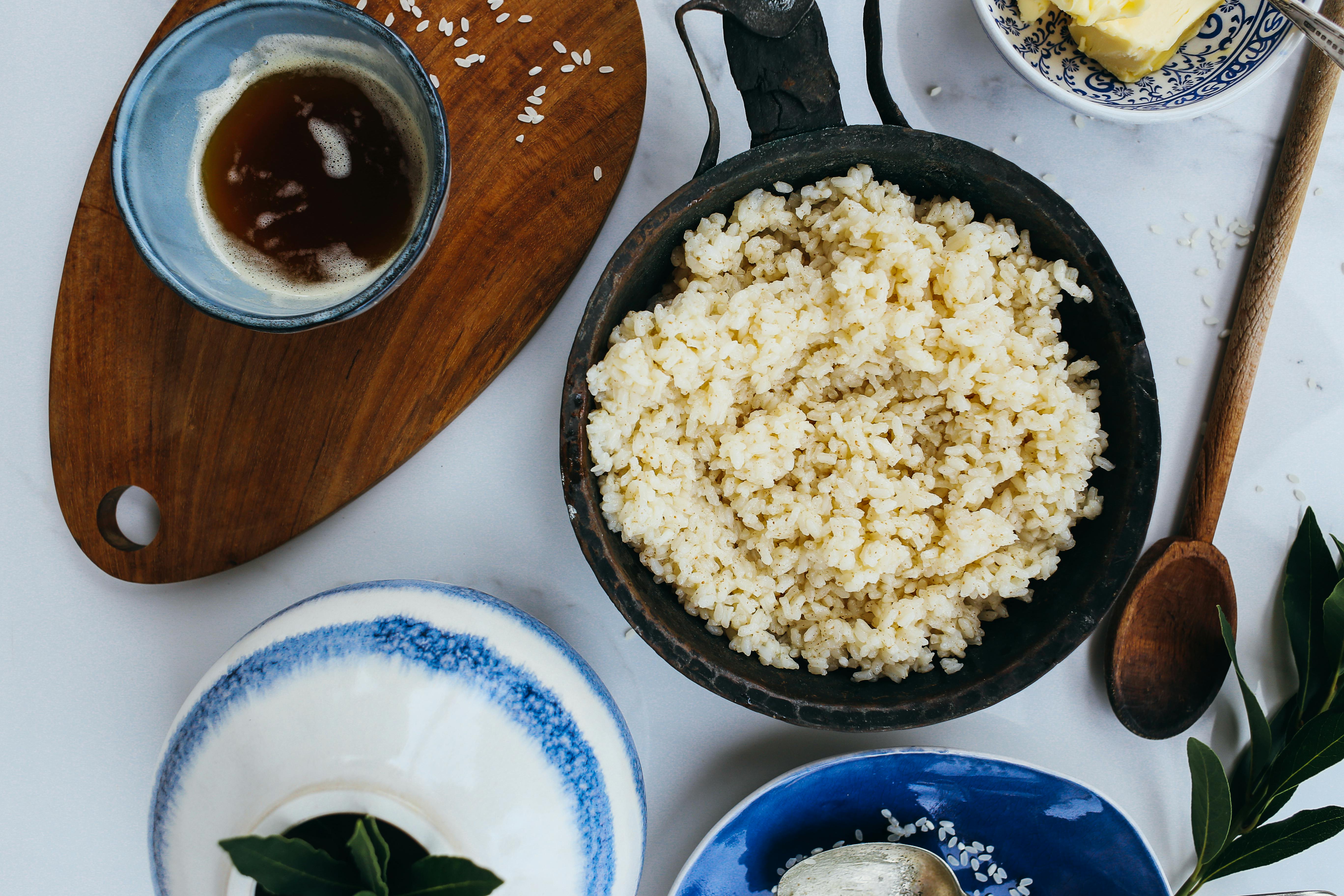
Let's be real. For something that seems so simple—just rice and water, right?—cooking rice can be a surprisingly stressful kitchen task. We've all been there: staring down a pot of something that's either a gluggy, sticky mess or a burnt, crunchy tragedy. You followed the instructions on the packet (kinda), but you've ended up with a side dish that's more of a side-eye. It’s enough to make you want to throw in the tea towel and just order Uber Eats.
But what if I told you that knowing how to cook rice perfectly is one of the easiest, most satisfying kitchen skills you can master? It's a total game-changer, turning a basic staple into the fluffy, flavourful foundation for countless meals. Forget the guesswork and the rice-related anxiety. In this guide, we're going to walk you through three foolproof methods to achieve perfect, fluffy rice every single time. Whether you've got a saucepan, a big pot, or a fancy new rice cooker, you'll be a rice-master in no time. Let's get into it!
Before You Cook: The Non-Negotiable First Steps
Before we even think about turning on the heat, there are a couple of crucial steps that separate the rice rookies from the rice pros. Getting these right is half the battle won, trust me.
Choosing Your Fighter: Which Rice to Use?
Wander down the rice aisle at Coles or Woolies and the options can feel overwhelming. Don't stress! For most everyday cooking, you'll be reaching for one of these:
- Jasmine Rice: A long-grain rice from Thailand with a soft texture and a subtle floral aroma. This is your go-to for most Asian dishes, from a classic green curry to a tasty stir-fry.
- Basmati Rice: Another long-grain variety, this one is famous in Indian and Middle Eastern cuisine. It's more aromatic and cooks up into distinct, separate grains, making it perfect for biryani, pilafs, or as a side for a rich butter chicken.
- Standard Long-Grain White Rice: The all-rounder. It's a bit more neutral in flavour than Jasmine or Basmati and works for pretty much anything. Sunrice is the classic Aussie brand you'll see everywhere.
- Brown Rice: This is the whole-grain version of white rice, meaning it still has its bran and germ. It's chewier, nuttier, and takes longer to cook, but it packs more fibre and nutrients.
For this guide, we'll focus on the most common choice for everyday meals: jasmine rice and basmati rice. The principles, however, apply to most white rice varieties.
To Rinse or Not to Rinse? (Spoiler: RINSE!)
If you take only one thing away from this whole post, let it be this: rinse your rice! I know, it feels like an annoying extra step, but it is the single most important secret to achieving fluffy, non-sticky rice.
Why? That powdery coating on uncooked rice grains is excess surface starch. When you cook it without rinsing, that starch turns into a sticky gel, essentially gluing all your beautiful rice grains together into one big clump. Rinsing it away is the key to getting those separate, fluffy grains we all dream of.
Here's how to do it properly:
- Place your rice in a fine-mesh sieve or a bowl.
- Run cold water over it, using your fingers to gently swish the grains around.
- If using a bowl, pour off the milky water (careful not to lose any grains!) and repeat.
- Continue rinsing until the water runs mostly clear. It usually takes about 3-4 rinses.
- Drain the rice thoroughly before cooking.
Method 1: The Classic Stovetop Absorption — How to Cook Rice Like a Pro
This is the gold standard for how to cook rice on the stovetop. It might seem intimidating, but once you nail the ratio and trust the process, it's incredibly reliable. This method steams the rice in a specific amount of water, which gets fully absorbed, resulting in perfectly tender and fluffy rice.
The Golden Ratio: Rice to Water
The biggest hurdle with the absorption method is the rice-to-water ratio. The packet instructions can sometimes be a bit off. A great starting point is the 1 to 1.5 ratio. That means for every 1 cup of rice, you use 1.5 cups of water.
Here’s a quick guide:
| Rice Type | Rice Amount | Water Amount | Notes |
|---|---|---|---|
| Jasmine Rice | 1 cup | 1.5 cups | The classic ratio for fluffy results. |
| Basmati Rice | 1 cup | 1.5 cups | Some people prefer slightly less water (1.25 cups) for even firmer grains. |
| Long-Grain White | 1 cup | 1.5 - 1.75 cups | Can sometimes be a bit thirstier. Start with 1.5 and see how you go. |
Step-by-Step Instructions
- Measure and Rinse: Measure your rice (a standard serving is about ½ cup uncooked rice per person) and rinse it thoroughly as described above.
- Combine in Pot: Place the rinsed and drained rice in a saucepan with a heavy bottom and a tight-fitting lid. Add the correct amount of cold water and a pinch of salt (about ½ teaspoon per cup of rice).
- Bring to a Boil: Place the pot on the stovetop over high heat and bring it to a rolling boil, uncovered. Give it one quick stir to make sure no grains are stuck to the bottom.
- Cover and Simmer: As soon as it's boiling, turn the heat down to the lowest possible setting your stove can manage. Immediately cover the pot with the lid.
- Set a Timer: Let it simmer gently for 15 minutes. Seriously, set a timer.
- DO NOT PEEK: This is the most crucial part. Resist the temptation to lift the lid! Every time you peek, you let out steam, which is what's cooking the rice. Trust the process.
- Rest Off the Heat: After 15 minutes, turn off the heat completely but leave the pot on the stove with the lid on for another 10 minutes. This resting period allows the last bits of moisture to be absorbed and the grains to firm up. This is the secret to perfect, non-gluggy rice!
- Fluff and Serve: Finally, remove the lid. You should see perfect little steam vents in the surface of the rice. Use a fork or a rice paddle to gently fluff the grains, lifting from the bottom to the top. Serve immediately.
Method 2: The 'Pasta Method' — The Easiest Way to Make Rice
If the absorption method feels like too much pressure, this is the rice cooking method for you. We call it the 'Pasta Method' because that's exactly what you do: you boil the rice in a big pot of water, just like you would with spaghetti, and then drain it when it's done. There are no strict ratios to memorise, making it almost impossible to mess up.
When to Use This Method
This method is brilliant for beginners or when you're cooking a large quantity of rice for meal prep or a party. The grains come out beautifully separate, making it fantastic for rice salads or when you just need a no-fuss side. The only downside is you might lose a little flavour and water-soluble nutrients in the drained water, but the ease is often worth the trade-off.
Step-by-Step Instructions
- Bring Water to Boil: Fill a large pot with plenty of water (at least 6-8 cups for 1 cup of rice) and add a generous pinch of salt. Bring it to a rapid boil over high heat.
- Add Your Rice: Add your rinsed rice to the boiling water and give it a stir.
- Boil Until Tender: Let it boil, uncovered, just like pasta. Start testing a grain after about 10-12 minutes. Fish one out with a spoon and bite it. It should be tender all the way through, with no hard, chalky centre.
- Drain Well: Once it's cooked to your liking, immediately pour the pot's contents into a fine-mesh sieve or colander to drain all the water away.
- Steam (Optional but Recommended): For extra fluffy rice, you can return the drained rice to the hot, empty pot. Cover it with the lid and let it sit off the heat for 5 minutes. The residual heat will steam it dry and make it even fluffier.
- Fluff and Serve: Fluff with a fork and you're ready to go!
Method 3: The Rice Cooker — Your Set-and-Forget Bestie
Ah, the rice cooker. If you eat rice regularly, this appliance is an absolute lifesaver and one of the best investments for your kitchen. It's the definition of foolproof. Brands like Sunbeam, Breville, and Kambrook offer great, affordable options available at places like Kmart, Big W, and The Good Guys. These rice cooker instructions will show you just how simple it is.
Why It's So Great
A rice cooker uses a built-in thermostat to cook the rice perfectly and then automatically switches to a 'keep warm' setting. This means you can't burn it, you don't have to watch it, and your rice stays warm and ready until you are. It's the ultimate tool for learning how to make rice without the stress.
Step-by-Step Instructions
- Measure and Rinse: Use the measuring cup that came with your rice cooker. These are often slightly smaller than a standard Australian metric cup (usually around 180mL). Rinse your rice thoroughly.
- Add to Cooker: Place the rinsed rice in the inner bowl of the rice cooker.
- Add Water: This is the best part. Most rice cooker bowls have measurement lines on the inside. If you've put in 2 cups of rice, you simply add water up to the '2' line. No measuring cups needed! If yours doesn't have lines, a good rule of thumb is a 1:1 ratio (1 rice cooker cup of rice to 1 rice cooker cup of water), as less water evaporates in a sealed cooker.
- Press the Button: Put the inner bowl back in the cooker, close the lid, and press the 'Cook' button. That's it. You're done.
- Let it Rest: When the cooker clicks over to 'Keep Warm', try to let it sit for 5-10 minutes before opening. This is the same resting principle as the stovetop method and guarantees better texture.
- Fluff and Serve: Open, fluff with the plastic paddle provided (a metal fork can scratch the non-stick coating), and serve your perfect rice.
Level Up: Simple Ways to Make Your Rice Taste Amazing
Now that you know how to cook rice, it's time to jazz it up! Plain rice is great, but flavoured rice is next level. Here are some dead-simple ideas:
- Use Broth: Swap out the water for chicken, beef, or vegetable stock for an instant, savoury flavour boost. Massel or Campbell's Real Stock are great options you can find anywhere.
- Add Aromatics: While cooking, toss in a bay leaf, a few crushed garlic cloves, a slice of ginger, a cinnamon stick, or a few cardamom pods. Just remember to fish them out before serving.
- Butter or Oil: Adding a teaspoon of butter or coconut oil to the water before cooking adds richness and helps keep the grains separate.
- Fresh Herbs: After the rice is cooked and fluffed, stir through a handful of finely chopped fresh herbs. Think coriander for a curry, parsley for a stew, or chopped spring onions for pretty much anything.
Key Takeaways
- Always rinse your rice! This is the #1 secret to fluffy, non-sticky rice. Rinse until the water runs clear.
- Master the Stovetop Ratio: For the absorption method, a 1 cup rice to 1.5 cups water ratio is your starting point.
- Don't Peek! When using the absorption method, trapping the steam is essential. Let it cook for 15 minutes and rest for 10 minutes, lid on.
- Use the 'Pasta Method' for a Foolproof Option: Boil rice in a large pot of water and drain when tender. It's that simple.
- A Rice Cooker is Your Best Friend: For frequent rice-eaters, a rice cooker provides perfect, hands-off results every time.
- Flavour is Easy: Upgrade your rice by cooking it in broth, adding aromatics like garlic or a bay leaf, or stirring in fresh herbs at the end.