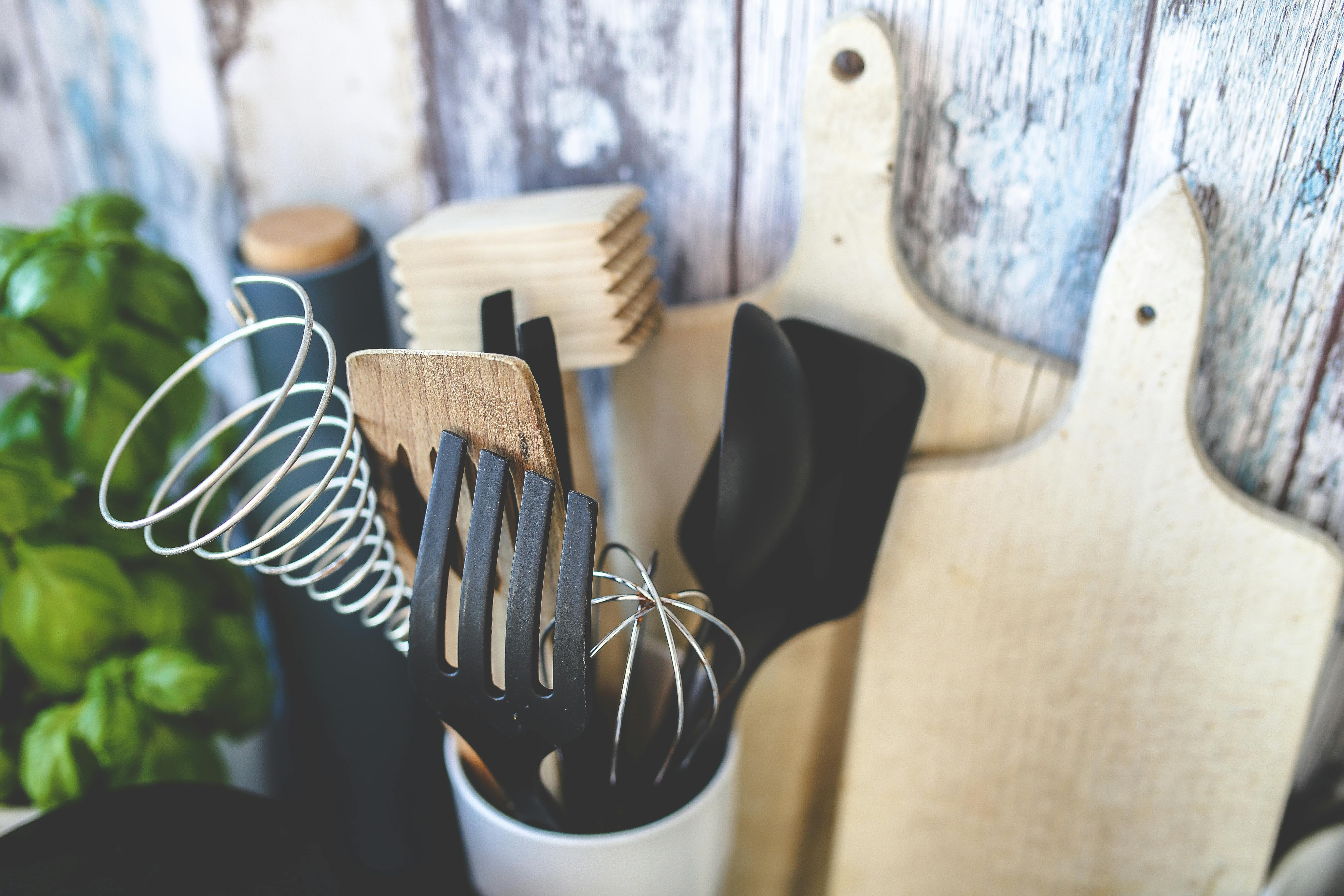
Walking into the kitchenware section of Kmart or Myer can feel... a lot. One minute you're just looking for a spatula, the next you're paralysed by a wall of gadgets, wondering if your life would truly be better with a dedicated avocado slicer (spoiler: it won't). Setting up your first kitchen or upgrading your student digs can be overwhelming and expensive. The good news? You don't need half the stuff they're trying to sell you. This is your no-nonsense, straight-up guide to the essential kitchen tools you actually need to start cooking delicious food, and what you can happily leave on the shelf. We're cutting through the clutter to build your perfect beginner cooking equipment arsenal, so you can spend less time stressing and more time, well, feeding yo'self.
The Non-Negotiables: Your Core Kitchen Starter Kit
Let's start with the absolute must-haves. These are the workhorses of your kitchen, the items you'll reach for almost every time you cook. If you're building a kitchen starter kit from scratch, these are your priority. Investing a little more in quality here will pay off in the long run.
The Holy Trinity of Knives
Forget those massive 15-piece knife blocks. You only need three to conquer almost any recipe.
- Chef's Knife (approx. 20cm): This is your MVP. It will do 90% of the work, from dicing an onion to chopping a block of chocolate. Look for one that feels balanced and comfortable in your hand. A brand like Victorinox is a fantastic, affordable starting point.
- Serrated Knife: Perfect for anything with a hard crust and soft interior. Think crusty sourdough, tomatoes, and even a block of cheese. It saws through without squishing.
- Paring Knife: A small knife for small, delicate jobs. Use it for peeling fruit, deveining prawns, or hulling strawberries.
Chopping Boards: The Unsung Heroes
You need a stable surface to use those lovely knives. We strongly recommend getting two to avoid cross-contamination.
- One for Raw Meat & Seafood: A plastic, dishwasher-safe board is ideal here. You can blast it with hot water to ensure it's properly sanitised.
- One for Everything Else: A nice wooden or bamboo board is great for fruit, vegetables, bread, and cheese. They're kinder to your knife blades. Just give it a good scrub with hot soapy water after use.
Pots and Pans: Your Cooking Vessels
You can cook almost anything with just a few key pieces of cookware. Focus on versatility.
- Large Pot (approx. 5-6 litres): For boiling pasta, making big batches of soup, or boiling potatoes for mash. A stockpot is your best friend.
- Medium Saucepan (approx. 2-3 litres): Perfect for making sauces, cooking rice or quinoa, and reheating leftovers.
- Non-Stick Frying Pan (26-30cm): Essential for delicate foods that tend to stick, like eggs, pancakes, and fish.
- Stainless Steel or Cast Iron Skillet (26-30cm): This is your go-to for getting a great sear on a steak, browning mince for a bolognese, or cooking chicken thighs. It handles high heat beautifully.
Measuring & Mixing Gear
Cooking is a science, and baking is an exact science. Accuracy matters!
- Measuring Cups & Spoons: Get a standard Aussie set (1 cup = 250ml). You'll use these for everything from flour for a cake to rice for dinner.
- Liquid Measuring Jug: A glass or plastic jug with mL markings is crucial for measuring water, stock, or milk. A 1-litre Pyrex jug is a classic for a reason.
- A Set of Mixing Bowls: A nested set of 3 glass or stainless steel bowls is perfect. You'll use them for mixing salads, marinating meat, and whipping up batters.
Utensils & Gadgets That Pull Their Weight
Now for the smaller items that make the cooking process smoother. These are the essential kitchen tools that bridge the gap between your ingredients and your cookware. You don't need a drawer bursting with junk, just these few reliable helpers.
Stirring, Flipping & Grabbing
- Silicone Spatula/Scraper: Don't confuse this with a turner! This is for scraping every last bit of brownie batter out of a bowl or folding ingredients together. It’s incredibly satisfying.
- Wooden Spoon: A classic for a reason. It won't scratch your pots, doesn't conduct heat, and is great for stirring everything from a curry to a risotto.
- Tongs: Like an extension of your hands. Use them to flip steaks, turn sausages, and pull pasta from boiling water. Incredibly versatile.
- Fish Slice / Slotted Turner: The wide, often flexible head is perfect for getting under a piece of fish, flipping a pancake, or lifting a fried egg out of the pan.
Prepping Power-Ups
These are the little guys that make the 'mise en place' (that's French for 'getting your stuff ready') a total breeze.
- Can Opener: A non-negotiable. You can't make that easy three-bean salad or tuna mornay without one. Get a sturdy one.
- Vegetable Peeler: A simple Y-shaped peeler is faster and creates less waste than using a paring knife. Essential for potatoes, carrots, and apples.
- Box Grater: Far more useful than you'd think. Use the large holes for cheese or zucchini, the smaller holes for hard cheeses like parmesan, and the slicing side for cucumber.
- Colander/Strainer: For draining pasta, washing salad greens, and rinsing canned chickpeas. A large, free-standing one is most useful.
- Whisk: For making lump-free sauces, whipping cream, or beating eggs for an omelette.
Level-Up: 'Nice-to-Have' Kitchen Tools for the Growing Cook
Once you've mastered the basics and are feeling more confident, these are the items that can really elevate your cooking game. They aren't strictly part of a beginner's kitchen starter kit, but they are worth considering as your skills and culinary interests grow.
Cast Iron Skillet
A cast iron skillet is an Aussie legend, perfect for campfire cooking and your kitchen stove. It gets screaming hot and stays hot, giving you an unbeatable crust on a steak or crispy-skinned chicken. It's also brilliant for cornbread or a skillet cookie. You can find brands like Lodge or Crofton (an Aldi special buy!) that are excellent value. They require a bit of care (called 'seasoning') but will literally last a lifetime.
Digital Kitchen Scale
If you get into baking, this is a non-negotiable. Measuring ingredients like flour by weight (grams) instead of volume (cups) is dramatically more accurate and will give you consistent, reliable results every time. No more guessing if you packed the cup too tightly! This is one of the most useful kitchen tools for any aspiring baker.
Microplane/Zester
"A microplane is one of my most-used tools. It's perfect for adding a huge burst of flavour with minimal effort."
This is a game-changer. It’s a long, rasp-style grater that creates incredibly fine shavings. Use it for:
- Zesting lemons, limes, and oranges for drinks and desserts.
- Grating parmesan cheese into a fluffy cloud over your pasta.
- Mincing garlic and ginger into a paste, releasing all their aromatic oils.
Immersion Blender (Stick Blender)
Hate transferring hot soup to a blender in batches? An immersion blender is your solution. You can blend soups, smoothies, and sauces directly in the pot or jug. It's faster, creates way less washing up, and is much easier to store than a bulky countertop blender.
The "Don't Bother" Pile: Kitchen Tools to Skip
Your wallet and your drawer space will thank you. The world of cooking is filled with 'unitaskers' – gadgets that only do one, very specific job. Most of the time, a tool you already own can do it better. Save your cash.
Here's a list of items you can confidently walk past:
- Garlic Press: It's a nightmare to clean, and you lose half the garlic in the mechanism. Mincing with your chef's knife or grating on a microplane is far superior.
- Avocado Slicer: A knife and a spoon. That's all you need. Seriously.
- Egg Separator: Just use the eggshells or your (clean) hands. It's a skill that takes two seconds to learn.
- Herb Chopper/Scissors: A chef's knife does a better, faster job.
- Banana Slicer: We refuse to elaborate on this one.
- Pasta-Specific Pot with Strainer Lid: A large pot and a colander do the exact same thing and are more versatile.
Key Takeaways
- Start with a foundation of high-quality basics: a great chef's knife, a couple of versatile pots and pans, and a good chopping board.
- Avoid 'unitaskers' (gadgets that only do one job). The best kitchen tools are versatile.
- You don't need a huge knife block; a chef's knife, serrated knife, and paring knife will cover 99% of your needs.
- A digital kitchen scale is the secret to becoming a better baker.
- Build your collection of beginner cooking equipment slowly. Master the basics, then add tools that support the kind of cooking you love to do.
- Always hand wash your good knives and non-stick pans to make them last longer.
- Your most important kitchen tools are your hands and your brain. Learn techniques, not just what to buy.